Document Management System: Professional Document Management
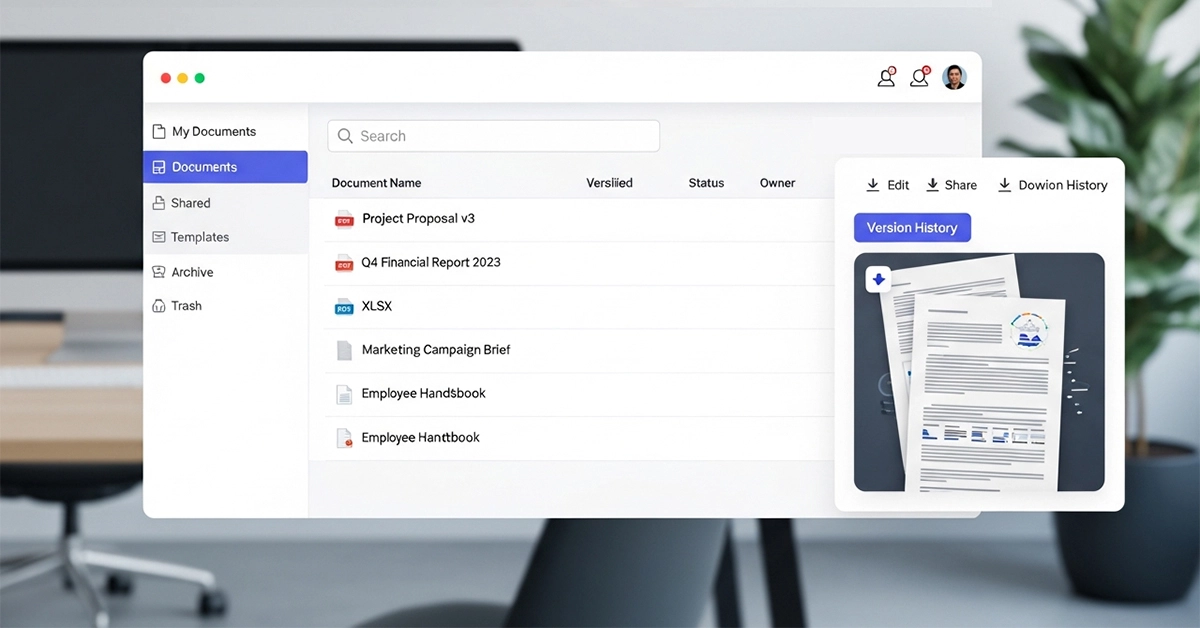
Get to know Document Management System (DMS), a digital document management system. Learn about its features, benefits, and how to implement it to enhance organizational efficiency.
Document Management System: Professional Document Management
In the digital age, where the volume of document data is immense, efficient document management has become crucial for every organization, whether a small company or a large enterprise. A Document Management System (DMS) is the answer to this challenge. This article will introduce you to DMS, its benefits, and how to implement it effectively.
What is DMS and why is it important?
A Document Management System is software designed to store, organize, track, and manage digital documents. This system helps transform traditional paper-based document management processes into a more efficient and secure digital system.
In today's business world, DMS is critically important due to:
- Increasing Data Volume: Organizations must manage vast amounts of data and documents.
- Remote Work: Employees need to access documents from anywhere and on any device.
- Regulatory Compliance Requirements: It is necessary to comply with laws and regulations related to data storage and management.
- Security Demands: Protecting sensitive information from breaches and unauthorized access.
Key Features of a Good Document Management System
An effective document management system should possess the following features:
1. Document Storage and Organization
- Centralized Storage: Store all documents in one place for easy retrieval.
- Categorization and Metadata: Categorize documents with tags, keywords, and additional information for quick searching.
- Flexible Folder Structure: Create a storage structure that suits the organization's needs.
2. Fast Search and Access
- Full-Text Search: Search for words or phrases within the content of documents.
- Advanced Filters: Use metadata and attributes to filter search results.
- Anywhere Access: Access documents from any device and location.
3. Version Control and Change Tracking
- Version History: Record all old versions of documents.
- Change Tracking: See who changed what and when.
- Version Recovery: Easily revert to previous versions.
4. Security and Access Control
- Granular Permissions: Define who can view, edit, or delete documents.
- Encryption: Protect sensitive data with encryption.
- Auditing: Record all activities related to documents.
5. Workflow and Collaboration
- Approval Workflows: Create approval processes for documents requiring review.
- Automated Notifications: Alert users when tasks are due or when document changes occur.
- Real-time Collaboration: Allow multiple users to work on the same document simultaneously.
Benefits of Using a Document Management System
Implementing DMS in your organization offers numerous benefits:
1. Save Time and Increase Efficiency
- Reduce document search time by up to 80%.
- Eliminate redundant steps such as sorting and photocopying.
- Accelerate workflows with automation.
2. Reduce Costs and Save Space
- Lower expenses for printing, paper, and ink.
- Reduce the need for physical storage space.
- Decrease labor costs associated with document handling.
3. Improve Security and Compliance
- Prevent data leaks and unauthorized access.
- Ensure compliance with regulatory requirements.
- Mitigate risks from natural disasters or document loss.
4. Support Collaboration and Remote Work
- Enable teams to collaborate more effectively.
- Support remote work with anytime, anywhere document access.
- Enhance communication and knowledge sharing within the organization.
5. Better Decision-Making
- Access accurate and up-to-date information instantly.
- Gain a comprehensive overview of all data and documents.
- Improve operational transparency.
How to Implement a Document Management System Effectively
Implementing a document management system in your organization requires careful planning and execution. Here are the recommended steps:
1. Assess Needs and Define Goals
- Identify current document management challenges.
- Set clear objectives for the new system.
- Understand your organization's specific requirements.
2. Choose the Right System
- Consider the size and complexity of your organization.
- Evaluate available systems using defined criteria.
- Check reviews and feedback from similar organizations.
3. Plan Document Structure
- Create a logical folder hierarchy.
- Establish a document naming convention.
- Develop metadata and tagging guidelines.
4. Train Employees and Foster Adoption
- Provide comprehensive training for all users.
- Explain the benefits and process improvements.
- Offer ongoing support and resources.
5. Digitize Existing Documents
- Prioritize documents for digitization.
- Create a timeline for document conversion.
- Verify the accuracy of digitized documents.
6. Monitor and Improve
- Regularly collect feedback from users.
- Track key performance indicators.
- Adjust structures and processes as needed.
Future Trends in Document Management
Document management technology is continuously evolving. Here are upcoming trends to watch:
1. AI and Machine Learning
- Automated document recognition and classification.
- Intelligent data extraction and content analysis.
- Recommendation systems adapting to user behavior.
2. Integration with Other Tools
- Seamless connectivity with CRM, ERP, and other systems.
- API-driven interoperability with business applications.
- Seamless collaborative experiences.
3. Advanced Security
- Advanced breach detection and prevention systems.
- Multi-factor authentication and end-to-end encryption.
- Blockchain technology for document integrity.
4. Mobile and Cloud Solutions
- Enhanced mobile app capabilities.
- Full cloud access.
- Real-time synchronization across devices.
Conclusion
A Document Management System is not just technology; it's a strategic approach to managing an organization's most valuable information resources. In a data-driven business world, implementing an effective DMS can be a critical factor in boosting productivity, reducing costs, improving security, and supporting organizational growth.
The transition from traditional document management to a comprehensive digital system might seem daunting, but with proper planning, careful execution, and adequate employee training, this transformation can lead to significant changes in how your business operates.
Share this article
Admin User
Content Author
Related Articles